

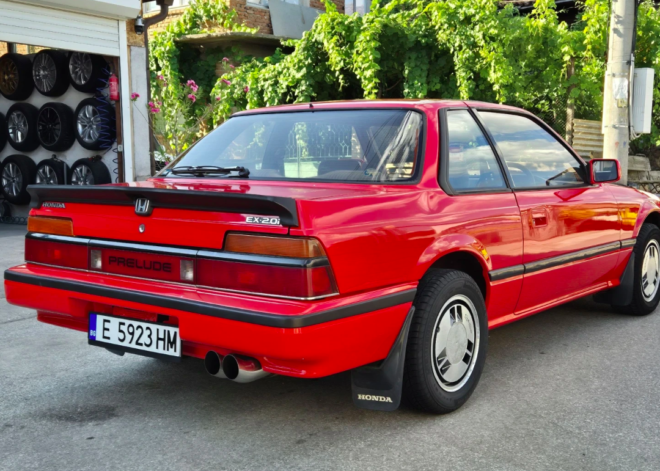

Investing in Collectible Cars: A Lucrative and Enjoyable Asset Class
Investing in collectible cars has emerged as a powerful alternative to traditional financial assets. Unlike stocks and bonds, this niche market combines the excitement of automotive history with the potential for strong returns. As a result, it offers investors the rare opportunity to blend passion and profit. Whether you’re a seasoned investor or a car enthusiast looking to diversify your portfolio, collectible cars present several compelling reasons to consider them as a long-term investment.
1. Collectible Cars Offer High Return Potential
One of the primary benefits of investing in collectible cars is their ability to deliver significant returns. In fact, over recent decades, some classic vehicles have outperformed conventional assets like stocks, bonds, and even precious metals. Iconic models such as the Ferrari 250 GTO, Porsche 911, and vintage American muscle cars have appreciated considerably due to their rarity, historical value, and high collector demand.
Furthermore, factors such as limited production, celebrity ownership, and cultural relevance can further boost a collectible car’s value over time. However, as with any investment, returns depend on selecting vehicles with the right combination of rarity, provenance, and condition.
Many models appreciate significantly in value over time, particularly if they are limited editions, have a celebrity connection, or are part of an iconic series. As with any investment, the value of these cars depends on the right combination of rarity, condition, and provenance.
2. What Drives Value When Investing in Collectible Cars
A defining characteristic of the collectible car market is its built-in scarcity. Because these cars are no longer manufactured, surviving examples—especially those in original or restored condition—are becoming increasingly rare. Moreover, natural attrition through wear, accidents, and modifications means that fewer models remain, which further enhances their value.
In addition, interest in collectible cars continues to grow. Collectors and emerging markets are entering the space, driven by nostalgia and a renewed appreciation for craftsmanship and automotive design. As a result, this expanding demand base supports rising values.
Many younger buyers and collectors, influenced by the media and pop culture, are looking to own and restore cars that symbolize a golden era of design and engineering. This expanding collector base drives up prices and continues to fuel demand.
3. Physical Assets Matter
Unlike digital assets, collectible cars are physical, tangible objects you can enjoy and showcase. Investors have the unique benefit of driving, displaying, and preserving their assets. In uncertain economic times, the tangible nature of collectible cars can offer a sense of security, as these vehicles often retain or increase their value independently of market volatility.
For many, investing in collectible cars is as much about lifestyle as it is about returns. Car shows, vintage rallies, and owner communities provide rewarding experiences beyond financial gain.
4. Preserving History While Investing in Collectible Cars
Many collectible cars carry rich histories. For example, whether they’ve won races, appeared in iconic films, or marked major design breakthroughs, these vehicles are more than machines—they’re cultural artifacts. Cars like the 1963 Chevrolet Corvette Sting Ray or Jaguar E-Type aren’t just beautiful—in fact, they symbolize pivotal moments in design and engineering.
What’s more, by investing in collectible cars, you’re also helping preserve automotive heritage. These vehicles represent craftsmanship and innovation from past eras, thereby offering an emotional connection rarely found in other investments.
5. Collectible Cars as Both a Passion and Portfolio Piece
Unlike stocks or real estate, investing in collectible cars offers a rare blend of financial potential and personal enjoyment. Driving a perfectly restored vintage car, attending enthusiast events, or simply admiring it in your garage—these are experiences investors treasure.
For many collectors, the emotional returns can outweigh even the financial ones. This dual-purpose aspect makes collectible cars uniquely appealing for hobbyists and serious investors alike.
Owning a classic car provides an experience—whether that’s the joy of driving a high-performance vintage vehicle or the satisfaction of restoring an old car to its former glory. Collectible cars can be both a financial asset and a personal hobby, which is why so many investors are drawn to them.
Why Prices of Collectible Cars Continue to Rise
Several factors contribute to the upward trend in collectible car prices:
Rarity: With fewer examples surviving each year, remaining models become more valuable.
Restoration Efforts: Restoring and maintaining classic vehicles can be costly, increasing the vehicle’s value.
Historical Significance: Models tied to cultural moments, famous personalities, or engineering milestones typically appreciate faster.
International Demand: Emerging markets such as China and the UAE have helped globalize the collectible car market, raising demand.
Pop Culture Influence: Film appearances and media exposure increase the desirability of iconic models.
Resources to Track Collectible Car Prices
Staying informed is essential when investing in collectible cars, especially in a market where rarity and condition heavily influence pricing. Whether you’re buying, selling, or holding for appreciation, these online resources will help you track value trends, monitor auctions, and understand market sentiment—both globally and in the UK – the biggest collectible cars market in Europe.
Global Market Platforms
> Classic.com
A powerful tool that aggregates auction results from around the world. It helps investors monitor trends, historical prices, and specific model performance across major sales platforms.
> RM Sotheby’s
A premier international auction house for rare and collectible cars. Their site provides detailed information on recent and upcoming auctions, price results, and collector trends.
> Bring a Trailer
A popular online auction platform known for offering a wide variety of classic and collectible cars. Includes extensive pricing history and user commentary.
> ClassicCarValue.com
Offers valuation data sourced from respected guides like NADA and VMR. It’s useful for cross-checking values and estimating market performance.
UK-Based Classic Car Market Resources
> Hagerty UK
A well trusted name in classic car insurance and valuations, publishing the annual “UK Price Guide” and “Bull Market List” to track classic car appreciation trends in the UK market.
> Iconic Auctioneers
Formerly Silverstone Auctions, this leading British auction house specializes in collectible cars, motorcycles, and automobilia. With 13+ years of experience, they’re known for record sales and offer free valuations, private sales, and live online auctions.
> Bonhams Motoring Department
With a strong UK presence Bonhams provides insights into high-end collectible car auctions, including detailed price archives and market analysis.
> Classic & Sports Car Magazine
It is a UK-based publication which offers news, market analysis, and buyer’s guides for classic car enthusiasts and investors alike.
> Classic Car Weekly
A British print and online publication featuring classified ads, valuations, auction previews, and advice for buyers and sellers of classic cars in the UK.
Final Thoughts on the Value of Investing in Collectible Cars
Investing in collectible cars offers much more than monetary rewards. It provides access to a vibrant community, the joy of preserving automotive history, and the pleasure of owning tangible pieces of art and engineering.
If you’re looking to diversify your portfolio with an asset you can drive, enjoy, and watch appreciate, collectible cars could be the perfect fit. With careful research and thoughtful selection, you can turn your passion for cars into a long-term investment strategy.