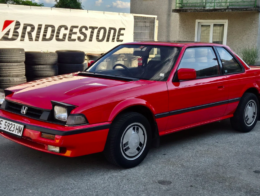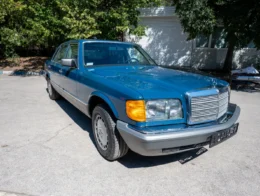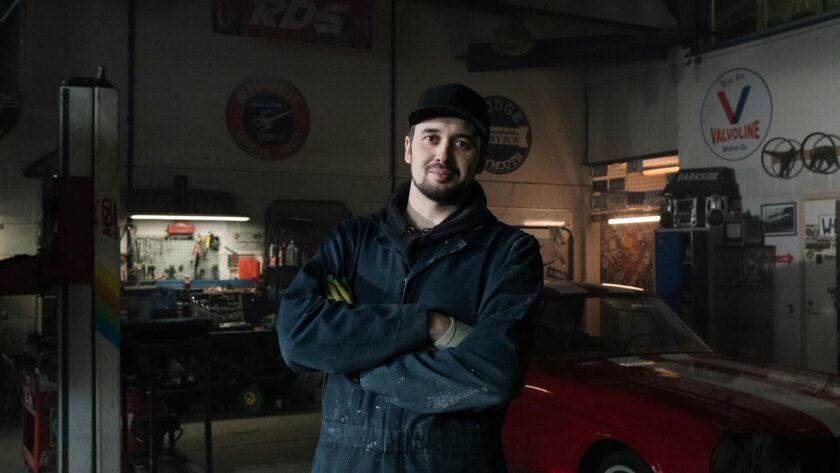
Classic car restoration is more than a hobby — it’s a commitment to preserving history and craftsmanship. Whether you’ve just bought a vintage vehicle or are planning to bring a family treasure back to life, understanding how the restoration process works is essential. Here are some key points to consider before you begin your project.
1. Start with a Clear Vision
Before any work begins, define your goal. Do you want a fully original restoration, or are you open to modern upgrades?
Some enthusiasts prefer to keep everything authentic — down to the smallest screw — while others aim to blend the charm of the past with today’s comfort and reliability.
Take time to study your car’s history and decide which direction feels right for you. A clear vision at the start will save time, money, and frustration later.
2. Plan and Research — The Foundation of Successful Classic Car Restoration
A successful restoration begins long before the first bolt is turned.
Gather as much information as possible about your car’s make, model, and specifications. Look for old manuals, diagrams, and photos that can help you understand what’s original and what’s been changed over the years.
Also, research availability of parts. Some models have strong aftermarket support, while others may require hunting for rare or custom-made components. Proper preparation can prevent long delays.
3. Find the Right Balance Between Originality and Personalization
One of the biggest questions in any classic car restoration project is: how faithful should you stay to the original design?
Keeping everything original helps preserve the car’s historical and collector value. But sometimes, a touch of modernization — such as improved brakes or a more efficient cooling system — makes the car safer and more enjoyable to drive.
The key is balance. Respect the car’s heritage, but don’t be afraid to make practical improvements if they enhance the experience without compromising its character.
4. The Heart of the Car — Take Care of the Engine
The engine is often the most challenging part of a restoration — and also the most rewarding. Whether you’re rebuilding it yourself or trusting a specialist, focus on reliability and authenticity.
Inspect every component carefully. Replace only what’s necessary, and whenever possible, use original or period-correct parts.
A well-restored engine not only looks beautiful but also captures the true feeling of driving a classic — the sound, the vibration, the response that connects you directly to the machine.
5. Don’t Overlook the Interior
While the body and engine often get the spotlight, the interior defines your day-to-day experience.
Restoring the seats, dashboard, steering wheel, and upholstery brings comfort and aesthetic harmony. Use materials that match the car’s original style — or, if desired, discreet modern alternatives that maintain its classic look.
The goal is to create an interior that feels authentic, functional, and pleasant to live with.
6. Expert Help in Classic Car Restoration – Work with Professionals When Needed
Even the most skilled enthusiasts sometimes need expert help. Certain areas of classic car restoration — such as paintwork, welding, or electrical restoration — require special tools and experience. Collaborating with professionals can prevent costly mistakes and ensure lasting quality.
At the same time, many restorers enjoy doing parts of the project themselves — like polishing chrome, assembling trim, or wiring lights. Combining professional expertise with your own effort can make the process even more personal.
Looking for experts to help with your Classic Car Restoration? Visit our Service Providers Directory and connect with verified professionals in your area.
7. Patience Is Key
Restoration takes time — sometimes months, sometimes years. Unexpected problems often arise, from hidden rust to unavailable parts. Accept that patience is part of the process.
Each completed stage, no matter how small, brings you closer to your goal. And when the day comes to start the engine and take your car out for its first drive, every hour invested will feel worth it.
8. Enjoy the Process
Restoring a classic car is as much about the journey as the result. It teaches mechanical skills, builds appreciation for craftsmanship, and connects you to a community of enthusiasts who share the same passion.
When done with care and respect, a classic car restoration project doesn’t just bring a car back to life — it revives a story, a memory, and a piece of automotive heritage.